Leave Your Message
-
Phone
-
E-mail
-
Whatsapp
-
Whatsapp

Why Choose an APAP Machine for Sleep Apnea?
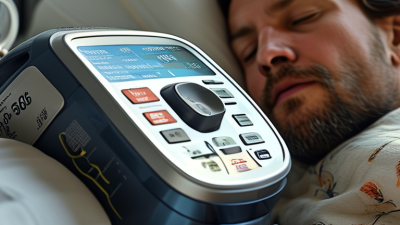
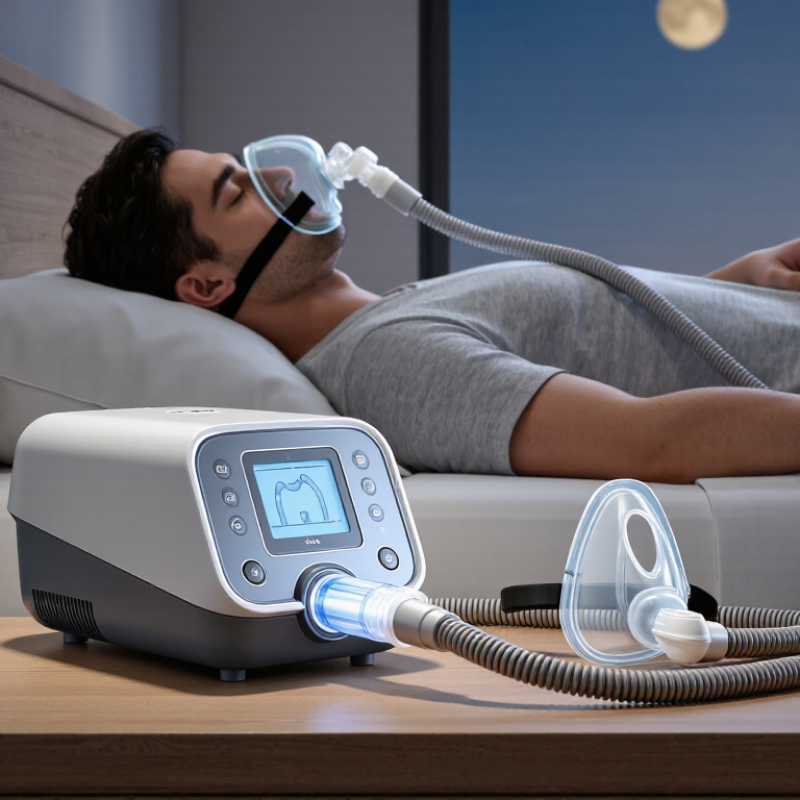
Choosing an Apap Machine can make nighttime breathing support feel more responsive and comfortable. Unlike fixed-pressure CPAP, it can adjust airflow when breathing patterns change. Pressure may rise during deeper sleep or after a body-position change. It may decrease when less support is needed. That difference can feel noticeable beside a quiet bedside table.
Sleep physician Dr. Abhinav Singh explains, “An APAP machine adjusts pressure automatically throughout the night to meet changing breathing needs.” This principle supports personalized treatment, but it does not make APAP suitable for everyone. A qualified clinician should review the diagnosis, pressure range, mask style, and sleep-study findings. Central sleep apnea, certain lung conditions, or complex medical histories may require another approach.
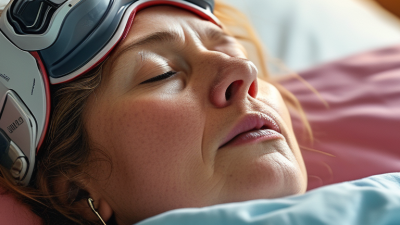
The best choice depends on more than automatic pressure. Mask leaks can dry the mouth and disturb sleep. A poorly fitted cushion may leave red marks by morning. A clinician can examine the device data and identify these problems. Users should also track morning headaches, daytime alertness, and repeated awakenings. Small details matter.
Still, APAP is not magic. Some users need time to adapt. Others may dislike changing pressure during the night. Personal experience can be helpful, but it cannot replace professional monitoring. This guide explores how APAP works, who may benefit, and which practical questions deserve careful attention before purchase. Comfort matters. Safety matters more.
Why Choose an APAP Machine for Sleep Apnea?
An apnea-hypopnea index, or AHI, measures breathing interruptions during sleep. Under AASM guidance, an AHI of at least 5 events per hour can support an obstructive sleep apnea diagnosis when symptoms or related health conditions exist. An AHI of 15 or higher generally indicates OSA, even without reported symptoms. The distinction matters. One restless night does not explain every result.
AASM’s 2017 diagnostic testing guideline recommends objective testing, using polysomnography or a suitable home sleep apnea test. A questionnaire alone cannot confirm OSA. Once uncomplicated OSA is diagnosed, the AASM 2019 clinical practice guideline supports either continuous or auto-adjusting positive airway pressure therapy. APAP changes pressure during the night, responding to airflow limitation, snoring, and breathing pauses. That can feel more practical when pressure needs vary between sleep stages or body positions.
The number on the report is only part of the picture. A person with an AHI of 6 may still wake with headaches, dry mouth, or dangerous daytime sleepiness. Another person may show a higher AHI but struggle with mask comfort or treatment adherence. Real experience is less tidy than a threshold. Review the sleep report, oxygen levels, symptoms, and medical history with a qualified clinician. The AASM also emphasizes regular follow-up, because effective therapy depends on both physiological control and consistent use.
| Clinical Dimension | Evidence-Based Data | Clinical Meaning | Relevance to APAP Selection |
|---|---|---|---|
| Diagnostic threshold | Obstructive sleep apnea (OSA) may be diagnosed when the apnea–hypopnea index (AHI) is ≥5 events per hour in the presence of relevant symptoms or associated medical conditions. An AHI ≥15 events per hour can support diagnosis even without reported symptoms. | The AHI quantifies the average number of apneas and hypopneas recorded per hour of sleep. | APAP should be considered only after appropriate clinical evaluation and diagnosis. |
| AHI 5–14 events/hour | Commonly categorized as mild OSA when the diagnostic criteria are met. | Symptoms, oxygen changes, sleep disruption, and cardiovascular or metabolic risk should be considered rather than relying on AHI alone. | APAP may be appropriate for selected adults, particularly when positive airway pressure is prescribed and pressure needs may vary by sleep position or sleep stage. |
| AHI 15–29 events/hour | Commonly categorized as moderate OSA. | A greater frequency of breathing disturbances can contribute to sleep fragmentation, daytime sleepiness, and intermittent oxygen desaturation. | APAP can provide automatically adjusted pressure within prescribed limits, potentially reducing the need to determine one fixed pressure before treatment begins. |
| AHI ≥30 events/hour | Commonly categorized as severe OSA. | The condition generally warrants prompt treatment planning and follow-up because the burden of respiratory events is high. | APAP may be used in suitable patients, but severity alone does not determine whether APAP, fixed CPAP, or another therapy is most appropriate. |
| How APAP works | An auto-adjusting positive airway pressure device varies delivered pressure within a clinician-prescribed range in response to detected breathing patterns. | Pressure can adapt to changing airway requirements during the night. | This may be useful when pressure requirements differ across body position, sleep stage, or night-to-night conditions. |
| Guideline-supported use | Clinical practice guidelines support either continuous positive airway pressure (CPAP) or APAP for ongoing treatment of uncomplicated adult OSA, when appropriate. | APAP is an established treatment option, not a replacement for diagnostic testing or medical supervision. | The choice should account for comorbidities, treatment setting, pressure requirements, comfort, adherence, and clinician judgment. |
| Potential practical advantages | Automatic pressure adjustment may support home initiation in suitable patients and can accommodate changing pressure needs. | The device may improve convenience and personalization when used correctly. | Regular review of usage, residual events, leak, comfort, and symptoms remains important. |
| Important limitations | APAP is not automatically suitable for every patient with sleep-disordered breathing. | Central sleep apnea, significant cardiopulmonary disease, hypoventilation, or other complex conditions may require specialized assessment and a different treatment strategy. | Device settings and therapy type should be determined by a qualified healthcare professional. |
| Treatment success indicators | Key follow-up measures include regular use, acceptable mask leak, improved symptoms, and control of residual respiratory events. | A lower device-reported event index is useful but should be interpreted together with symptoms and clinical data. | Follow-up helps confirm that APAP is effective, comfortable, and appropriately configured. |
Clinical note: AHI is one component of OSA assessment. Diagnosis and treatment decisions should be based on a qualified healthcare professional’s evaluation, sleep-study findings, symptoms, and relevant medical conditions.