Leave Your Message

What Is a Portable CPAP Machine and How Does It Work?

For people managing obstructive sleep apnea, nighttime treatment can feel difficult beyond the bedroom. A Portable Cpap Machine offers a smaller approach, designed for travel, work trips, and changing sleep environments. It typically delivers continuous positive airway pressure through a mask, helping keep the upper airway open during sleep. That simple description hides important choices. Size matters. So does comfort.

Unlike standard home units, portable models often use compact motors, rechargeable batteries, and streamlined humidification options. Some can run from aircraft-approved power sources, but travelers must verify airline and manufacturer requirements. The machine maintains prescribed pressure, while the mask and tubing carry airflow to the user. A good seal reduces leaks and protects therapy quality. A poor fit can cause dry mouth, skin marks, or repeated awakenings. These details are practical, not cosmetic.

This overview will explain the main components, operating process, benefits, and limitations of portable CPAP therapy. It will also distinguish portability from medical suitability. Smaller does not always mean better. Prescription pressure, sleep data, battery life, noise, and cleaning needs deserve careful review. Sleep specialists and qualified equipment providers can help match a device to individual treatment needs. Manufacturer instructions remain essential, especially when using batteries or changing masks. Personal experience can reveal comfort problems, but it cannot replace clinical follow-up. I have found that convenience encourages consistency, yet convenience alone never guarantees effective treatment. Readers should treat this guide as a starting point and discuss persistent symptoms with a healthcare professional.
What Is a Portable CPAP Machine and How Does It Work?

What Is a Portable CPAP Machine?

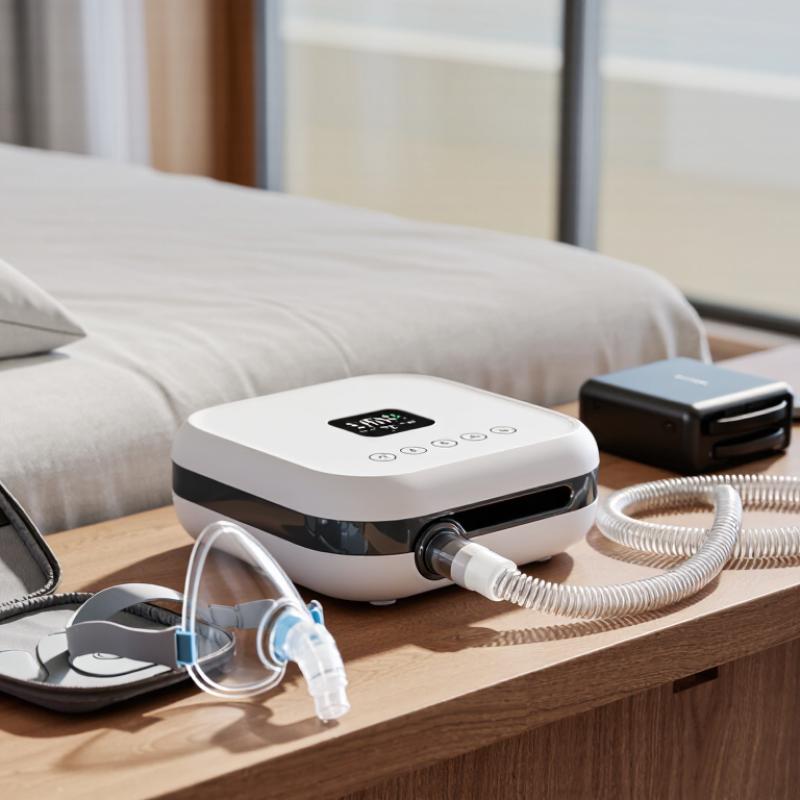
A portable CPAP machine is a compact device that supports breathing during sleep. It treats obstructive sleep apnea by delivering steady air through a mask. The airflow helps keep the throat open when relaxed tissues might block it.

Unlike a standard unit, a portable model is designed for travel, smaller bedrooms, and changing sleep locations. It usually includes a motor, tubing, mask, and power supply. Some models use batteries for camping or flights. However, portable does not always mean silent or extremely light. I once underestimated how much space the mask, cables, and backup power required. That detail matters when packing.

The machine should use pressure settings recommended by a qualified sleep professional. During sleep, a sensor may adjust airflow when breathing patterns change. A secure mask seal prevents air leaks, while a humidifier can reduce dryness in the nose and throat. Regular cleaning also helps limit odors and residue. Personal comfort can vary greatly, so one person’s ideal mask may feel unsuitable to another.

Tips: Test the equipment at home before traveling. Check battery life with your actual pressure settings. Keep spare filters and mask parts nearby. If you feel chest discomfort, severe dryness, or unusual breathlessness, contact a healthcare professional instead of changing settings yourself.
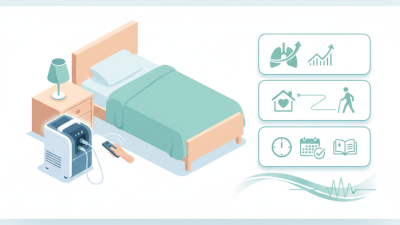
How Portable CPAP Machines Deliver Pressurized Air

What Is a Portable CPAP Machine and How Does It Work?

How Portable CPAP Machines Deliver Pressurized Air

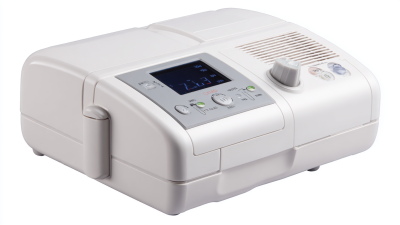
A portable CPAP machine uses a compact motor to move room air through a filter and tubing. The motor creates steady pressure, which travels toward a fitted mask. This airflow helps keep the upper airway open during sleep. A pressure sensor checks the air movement inside the system. If breathing patterns change, some models adjust pressure within the range prescribed by a sleep specialist. The experience can feel unusual at first. The air may seem forceful, especially when lying awake.

The mask seals around the nose, mouth, or both. Small vents release exhaled carbon dioxide, while the machine continues supplying fresh air. Some devices reduce pressure slightly during exhalation, making breathing feel more natural. Portable units often use rechargeable batteries, but battery life depends on pressure settings, temperature, and humidification. A travel case protects the tubing, although careless packing can still cause bends or leaks. A leak may produce dry eyes, noisy airflow, or weaker therapy. These signs deserve attention, not guesswork.

Tips: Fit the mask while lying in your usual sleep position. Check the filter and tubing regularly. Keep the mask cushion clean and dry. Avoid changing pressure settings without professional guidance. If discomfort continues, speak with a qualified sleep-care provider. Small adjustments may matter more than expected.

What Is a Portable CPAP Machine and How Does It Work?
Dimension How It Works or What It Means Typical Details Practical Consideration
Basic Definition A portable CPAP machine is a compact positive-airway-pressure device designed to provide continuous airflow during sleep. It uses a small motor, an air filter, a pressure-control system, flexible tubing, and a breathing mask. Its smaller size can make travel easier, but portability does not change the need for correctly prescribed therapy.
Airflow Path Room air enters through an intake vent and filter, is pressurized by the motor, and then travels through the tubing to the mask. Air is delivered continuously while the device is operating. Keeping the intake area clear and replacing the filter as recommended helps maintain proper airflow.
Pressure Delivery The machine supplies air pressure that helps keep the upper airway from narrowing or collapsing during sleep. Pressure is measured in centimetres of water pressure, written as cmH₂O. Many CPAP devices support settings within approximately 4–20 cmH₂O, although the prescribed setting may be much narrower. Pressure should be set by a qualified healthcare professional rather than adjusted according to comfort alone.
Mask Interface The pressurized air reaches the user through a nasal mask, nasal-pillow mask, or full-face mask. Nasal interfaces cover or seal around the nose; full-face interfaces cover the nose and mouth. The best mask depends on breathing habits, facial fit, comfort, and whether nasal congestion or mouth breathing is present.
Pressure Modes Different devices may provide one fixed pressure or automatically vary pressure within a prescribed range. Fixed CPAP maintains one pressure. Auto-adjusting PAP changes pressure in response to detected breathing patterns and airway events. Auto-adjusting therapy is not automatically appropriate for everyone and should be selected with clinical guidance.
Airway Support The positive pressure acts like an internal splint, helping prevent soft tissues in the throat from obstructing airflow. CPAP does not breathe for the user; it supports an open airway while the user continues to breathe independently. It is primarily used for obstructive sleep apnea and is not the same as a ventilator.
Portability Features Portable models generally reduce the size and weight of the main device and may include a travel case or optional battery compatibility. Common design priorities include compact dimensions, low weight, simplified controls, and operation from various power sources. Before travel, confirm power requirements, battery runtime, charging options, and whether the device can be used safely at the destination.
Battery Operation A compatible external battery can power some portable CPAP machines when mains electricity is unavailable. Runtime varies with pressure, breathing conditions, humidification, heated tubing, battery capacity, and converter efficiency. Actual runtime should be tested before relying on battery power for camping, flights, or emergencies.
Humidification A humidifier adds moisture to the airflow to reduce dryness or irritation in the nose and throat. Some portable machines use an integrated humidifier, while others use a detachable or optional unit. Humidification can increase size, weight, and power consumption; water containers should be emptied and cleaned as directed.
Pressure Relief Some devices slightly reduce pressure during exhalation to make breathing out feel more comfortable. This feature changes the pressure pattern but does not eliminate the need for prescribed therapy settings. Comfort settings should be discussed with a healthcare professional if exhalation feels difficult or therapy is poorly tolerated.
Leak Management The machine monitors airflow and may compensate for small mask leaks while maintaining the intended pressure. Large leaks can reduce effective therapy, cause dry eyes or mouth, and produce noisy airflow. A properly fitted mask, correctly adjusted straps, and regular cushion replacement can help reduce leaks.
Data Monitoring Many modern devices record information about usage and breathing during therapy. Common data may include hours used, estimated leak rate, residual breathing events, and delivered pressure. Data can help clinicians assess treatment effectiveness, but device estimates should be interpreted in context.
Noise and Comfort The motor and airflow system generate operating noise, while mask fit affects comfort and sleep quality. Noise levels differ by design, operating pressure, tubing arrangement, and mask leak. Place the machine on a stable surface, keep vents unobstructed, and address persistent noise or discomfort promptly.
Routine Maintenance Regular cleaning prevents buildup of oils, moisture, and residue in components that contact the user or carry airflow. Typical care includes washing the mask and tubing, emptying the water chamber, checking filters, and inspecting seals. Follow the device instructions for cleaning products, drying procedures, and replacement intervals.
Main Benefits Portable CPAP machines can make prescribed positive-airway-pressure therapy more convenient outside the home. Potential advantages include easier travel, less luggage space, flexible power options, and continued treatment during overnight trips. Convenience is valuable only when the machine delivers the prescribed therapy consistently and the mask remains well fitted.
Important: CPAP pressure, mask type, operating mode, and humidification settings should be selected or changed with guidance from a qualified healthcare professional. Portable equipment is not a substitute for diagnosis or individualized treatment.

Key Components and Operating Mechanisms

What Is a Portable CPAP Machine and How Does It Work?

A portable CPAP machine supports breathing during sleep by delivering continuous air pressure through a mask. Its compact blower creates airflow, while an internal pressure sensor checks delivery. The control system keeps pressure close to the prescribed level. Some models adjust pressure automatically when airflow changes, but this setting should follow clinical guidance.

Key components include the motor, air filter, tubing, mask, power source, and exhalation port. A humidifier may reduce dryness, although it can increase size and battery use. Some machines record usage, mask leaks, and breathing events for professional review. In practice, comfort depends on more than pressure. A poor seal can cause air around the eyes, while tight straps may leave painful marks. The system is helpful, but it is not flawless.

Tips: Check the filter regularly. Keep the mask clean and dry. Test the battery before travel. Pack the correct tubing and power cable. If pressure feels uncomfortable, do not change it casually. Contact a qualified sleep professional instead. I would also question claims about “silent” operation, because room temperature, surfaces, and mask leaks can change perceived noise. Portable means easier to carry, not automatically easier to use.

How Portable CPAP Machines Differ From Standard CPAP Devices

A portable CPAP machine delivers continuous positive airway pressure through a mask. Its motor pushes air gently into the throat, helping prevent airway collapse during sleep. Standard CPAP devices use the same basic principle, but usually offer larger housings, built-in humidifiers, and more extensive comfort controls. Both require a clinician’s prescription and suitable pressure settings. The American Academy of Sleep Medicine recommends positive airway pressure as an effective treatment for obstructive sleep apnea (AASM, 2019).

The main difference is practical design. Portable units are smaller, lighter, and easier to pack for flights, hotel rooms, or overnight work. Many can run from an external battery, while standard devices typically depend on household power. Their compact size may mean a smaller water chamber, fewer adjustment options, or shorter battery life. Some portable models also use automatic pressure changes, responding to airflow patterns during sleep. The trade-off is easy to underestimate. A 2019 Lancet analysis estimated that 936 million adults aged 30–69 have mild-to-severe obstructive sleep apnea worldwide. Personal comfort and reliable nightly use therefore matter more than size alone.

Tips: Test the mask before traveling. Check battery capacity and local voltage requirements. Keep the airflow path clean, and ask a sleep clinician before changing pressure settings. Portable does not mean maintenance-free. Data reports from the U.S. Food and Drug Administration emphasize following device instructions and using compatible accessories.

Benefits, Limitations, and Common Use Cases

What Is a Portable CPAP Machine and How Does It Work?

A portable CPAP machine delivers steady air pressure through a mask while you sleep. The airflow helps keep the upper airway open during obstructive sleep apnea.

A compact motor, tubing, mask, and power source form the basic system. Some models use internal batteries or vehicle adapters for travel. Clinical settings should guide the prescribed pressure, not guesswork. Small does not mean simple.

Portability is the main benefit. A traveler can maintain treatment during flights, hotel stays, camping trips, or irregular work schedules. Smaller equipment may also reduce packing stress.

However, these devices can have limitations. Battery life varies with pressure settings, temperature, and humidification. A smaller water chamber may require frequent refilling. Noise, mask leaks, dry air, and limited replacement parts can still interrupt sleep.

Portable CPAP is not automatically suitable for every patient or every sleep disorder. A sleep professional should confirm the diagnosis and review treatment data. Real-world use often reveals problems that product descriptions overlook.

Tips: Test the machine at home before traveling. Charge backup batteries early. Carry the prescription, mask parts, and compatible power cables. Keep the device away from dust and extreme heat. If breathing discomfort, persistent fatigue, or major leaks continue, contact a qualified clinician. Adherence can be harder than expected, and adjusting the mask may take several nights.