How to Effectively Use a Telemedicine Monitor for Remote Patient Care?
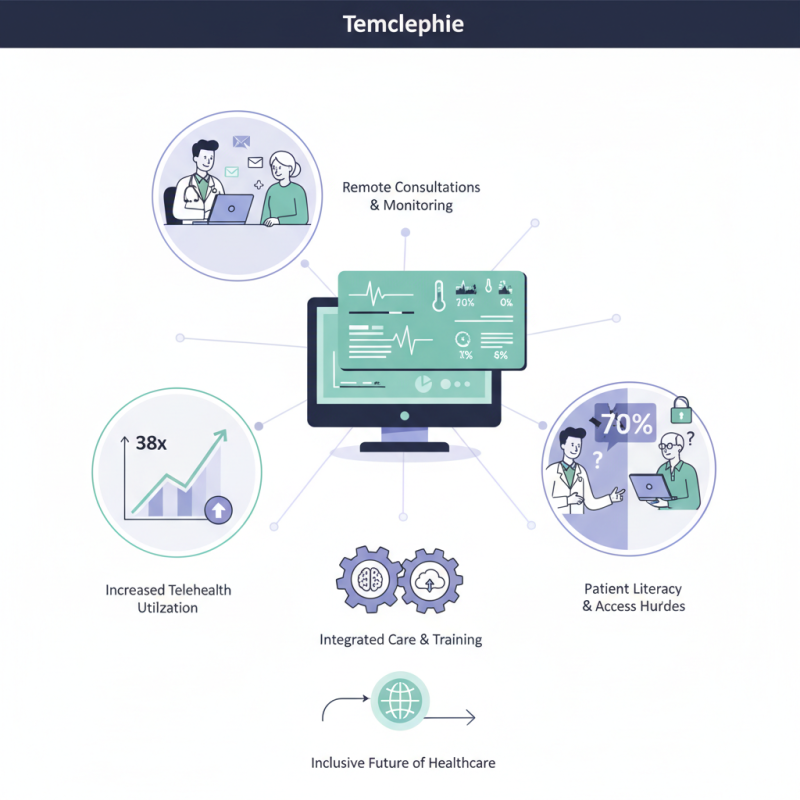
The rise of telemedicine has transformed patient care, allowing for remote monitoring and consultations. According to a recent report by McKinsey, telehealth utilization has stabilized at levels 38 times higher than pre-pandemic rates. The Telemedicine Monitor is central to this shift, enabling healthcare providers to track patient health efficiently from afar. Dr. Jane Miller, a leading expert in telehealth solutions, emphasizes, "The Telemedicine Monitor is vital for maintaining continuity of care in a virtual environment."
Effective use of a Telemedicine Monitor requires understanding its capabilities and limitations. Patients benefit from real-time data, but technical issues can impede communication. A significant report from the American Medical Association highlights that 70% of physicians experience challenges with remote patient engagement. This indicates a need for improvement in training and support for healthcare providers using these technologies. Providers must find ways to overcome these hurdles to enhance patient experience and outcomes.
Moreover, it's crucial to acknowledge that not all patients feel comfortable with technology. The accessibility of a Telemedicine Monitor does not guarantee its effective use. There’s a gap in patient literacy that needs addressing. As we embrace telehealth, reflection on these challenges can guide us towards a more inclusive approach. The future of healthcare relies on leveraging tools like the Telemedicine Monitor while ensuring no patient is left behind in this digital transformation.
Understanding Telemedicine Monitors and Their Importance in Remote Care
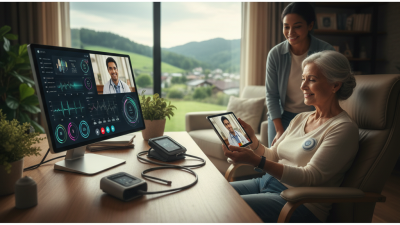
Telemedicine monitors play a vital role in remote patient care. They allow healthcare providers to track patient health in real time. These devices can measure vital signs, detect changes, and send alerts to medical staff. Patients, in turn, gain better access to healthcare services. This connection improves health outcomes for many individuals.
However, there are challenges with telemedicine monitors. Technical issues can disrupt communication. Some patients struggle with the technology or may find the devices uncomfortable. Training is often necessary for effective use. Medical staff must also adapt to interpreting data remotely, which requires a different skill set. Reflection on these challenges can lead to better strategies for implementation. Engaging patients in their care can bridge some gaps. Educating them on how to use their monitors is crucial for success.
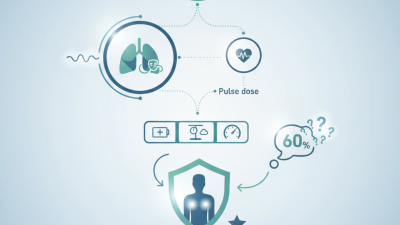
Remote Patient Care Metrics Using Telemedicine Monitors
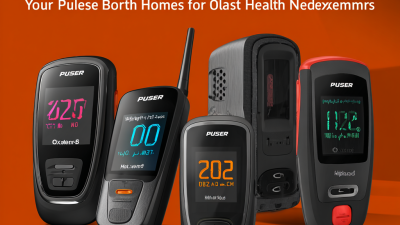
Key Features to Look for in a Telemedicine Monitor
When selecting a telemedicine monitor, key features are essential.
Look for high-resolution displays. Clear visuals can help both patients and healthcare providers.
Real-time data is crucial. Monitors should update information quickly during consultations.
This allows for immediate decision-making and enhances patient care.
Consider user-friendliness too. A complex interface can lead to frustration.
Patients of all ages should navigate easily. Additionally, integrated sensors are valuable.
Monitors must track vital signs such as heart rate and blood pressure accurately.
Accuracy in these readings cannot be overstated. Misleading data can result in poor medical decisions.
Connectivity options should not be overlooked. Monitors should support various devices.
This ensures seamless integration with home health setups. However, security is a concern.
Protecting patient data is vital. Check what encryption methods the monitor uses.
Some systems may not meet current security standards. Balancing convenience and safety is often a challenge in remote care technology.
Steps to Set Up Your Telemedicine Monitor for Optimal Use
Setting up a telemedicine monitor requires careful consideration. Start by choosing a suitable location. Ensure the area is well-lit and quiet for video consultations. Avoid busy backgrounds that can distract both you and the patient. A stable internet connection is essential. Check the Wi-Fi signal strength. If the connection drops frequently, this can disrupt appointments.
Next, familiarize yourself with the device settings. Test the camera and microphone before each use. Adjust the angle of the camera to properly capture your face. Echo or background noise can be problematic; consider using headphones for clearer audio. It’s also crucial to maintain privacy. Ensure that confidential information is not visible to others in the room.
Lastly, practice handling the equipment. Sometimes, the monitor may have functions that are not immediately clear. Tinkering with it can help you feel more confident. Reflection is key: consider what works well and what needs improvement. Not every session will go smoothly, but learning from each experience enhances your skills.
How to Effectively Use a Telemedicine Monitor for Remote Patient Care
| Step |
Description |
Time Required |
Frequency |
Tools Needed |
| 1 |
Set Up the Monitor |
10 minutes |
Once |
Telemedicine monitor, power source |
| 2 |
Connect to the Internet |
5 minutes |
Once |
Wi-Fi network |
| 3 |
Configure Health Parameters |
15 minutes |
Weekly |
User manual, medical guidelines |
| 4 |
Schedule Remote Sessions |
5 minutes |
As needed |
Calendar app, reminders |
| 5 |
Monitor Patient Data |
Ongoing |
Daily |
Health monitoring software |
Best Practices for Engaging Patients Through Telemedicine
Engaging patients through telemedicine requires more than just technology. It's essential to create a welcoming environment. Start by ensuring that your communication is clear. Use simple language and avoid medical jargon. This helps patients feel more comfortable and involved in their care.
Active listening plays a crucial role in remote patient interactions. When patients express their concerns, give them your full attention. Acknowledge their feelings and provide thoughtful responses. This builds trust and rapport, essential for effective care. Sometimes, you may miss cues due to the virtual format. It's important to reflect on these moments and adjust your approach accordingly.
Encourage patients to participate actively in their treatment plans. Ask questions that prompt them to share their thoughts. Simple prompts can lead to more insightful discussions. Offer follow-up resources to reinforce your recommendations. However, recognize that not every patient will engage equally. Some may remain distant or less interactive. Reflecting on these challenges can guide you in developing better strategies for future interactions.
Monitoring and Analyzing Patient Data for Improved Outcomes
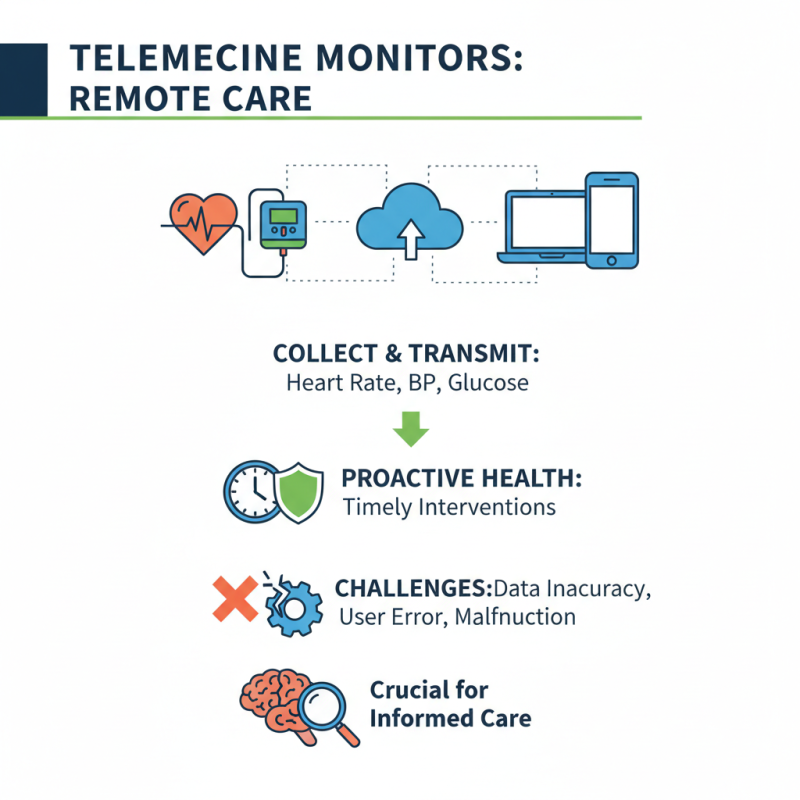
Telemedicine monitors play a vital role in remote patient care. These devices collect and transmit patient data like heart rate, blood pressure, and glucose levels. Regular monitoring can lead to timely interventions. However, reliance on technology has its flaws. Data can be inaccurate. Many factors can affect readings, like user error or device malfunction.
Analyzing the collected data is crucial. Trends can emerge from daily or weekly readings. For instance, a sudden spike in blood pressure may indicate an urgent issue. It's essential to review this data carefully. Healthcare providers should engage patients in the process. Patients can provide context about their symptoms. Sometimes, even minor lifestyle changes can influence readings.
Communication plays a key role in this setting. Misinterpretations can occur without face-to-face interactions. Patients may misunderstand their instructions. Regular check-ins can help clarify any confusion. Despite advancements in telemedicine, one-on-one interactions remain important for building trust. It's a work in progress that requires continuous improvement and adaptability.