How to Choose an Oxygen Concentrator Machine?
Choosing an Oxygen Concentrator Machine is a medical decision, not merely a shopping task. The right device must match the user’s prescribed oxygen flow, daily routine, and clinical condition. A machine that looks powerful online may perform poorly during sleep, travel, or mild physical activity.
Dr. Norman Edelman, a respected pulmonologist and senior scientific advisor, has emphasized, “Oxygen is a drug, and it should be prescribed and used as directed.” This reminder matters. Oxygen therapy should follow guidance from a qualified healthcare professional, not a product advertisement or a casual recommendation. Before comparing models, confirm the required flow rate, delivery mode, noise level, power needs, and maintenance schedule. Small details can affect real comfort. For example, a loud compressor may disturb sleep, while a weak battery can create stress outside the home.
No machine is perfect. Specifications can also confuse buyers. A higher oxygen output does not automatically mean better treatment. Continuous-flow and pulse-dose systems work differently, and not every patient responds equally to both. Portability may be valuable, yet a compact design could limit battery life or operating strength. This is where careful review becomes essential.
A reliable buying process should consider clinical suitability, verified performance, warranty support, filter replacement, and service availability. Look for transparent testing information and clear user instructions. Ask practical questions. Can the device maintain its output at altitude? Is the alarm easy to understand? Can the supplier provide technical assistance?
The best Oxygen Concentrator Machine is the one that safely supports prescribed therapy in everyday conditions. Convenience matters, but clinical fit matters more.
What Is an Oxygen Concentrator and How Does It Work?
How to Choose an Oxygen Concentrator Machine?
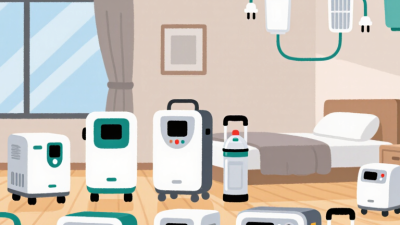
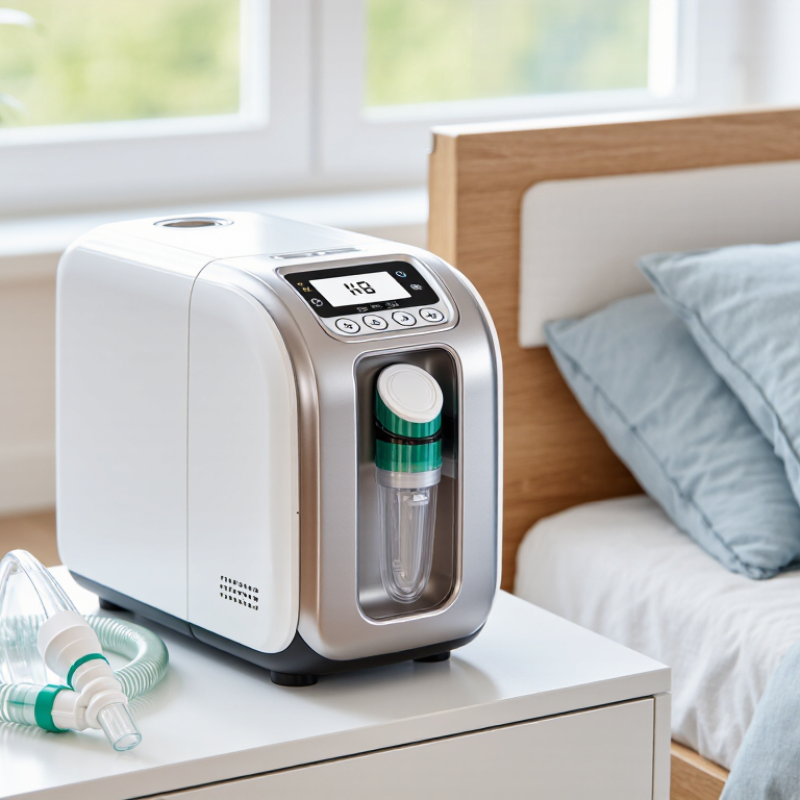
An oxygen concentrator is a medical device that draws in ordinary room air. It filters out much of the nitrogen and delivers oxygen-enriched air through tubing. Most units use molecular sieve beds filled with zeolite material. One bed captures nitrogen while the other regenerates, allowing the cycle to continue. The machine does not create oxygen from nothing. It concentrates what is already present in the air.
The delivered flow may be continuous or pulse-dose. Continuous flow releases oxygen steadily, while pulse-dose delivery responds to inhalation. That difference matters during sleep, movement, or exercise. A qualified clinician should determine the prescribed flow and delivery mode. Choosing a higher setting without guidance can be unsafe.
It is easy to judge a machine by its size alone. That assumption can fail.
Check the oxygen concentration range, noise level, battery options, alarm system, and maintenance requirements.
A clear display helps when vision or memory is limited. Test the tubing connection and airflow before regular use. Keep air vents open and place the unit away from smoke, flames, and heat.
Power interruptions also deserve attention, especially in homes with unreliable electricity. Ask about backup oxygen and servicing procedures.
A machine can look excellent on paper, yet feel awkward beside a bed or during travel. That practical detail is often missed.
Assess Your Oxygen Therapy Needs and Prescription Requirements
How to Choose an Oxygen Concentrator Machine?
Start with your prescription, not the machine’s appearance. Your clinician should document oxygen flow, delivery mode, and required hours. The prescription may specify continuous flow or pulse-dose delivery. These settings are not interchangeable. A pulse-dose device may miss shallow breaths during sleep or exertion.
The American Thoracic Society’s 2020 guideline identifies severe chronic resting hypoxemia as oxygen saturation at or below 88%, or specific low arterial oxygen values. It conditionally recommends long-term oxygen for suitable patients with COPD or interstitial lung disease, often for at least 15 hours daily. Your diagnosis still matters. COPD, pulmonary fibrosis, sleep-related breathing problems, and temporary illness can require different assessments. A home pulse oximeter can reveal patterns, but it cannot replace clinical testing. My practical concern is simple: readings fluctuate with cold fingers, movement, and poor circulation. That detail is easy to underestimate.
Tips: Ask whether the unit supports your prescribed flow during walking and sleep. Check noise levels, battery duration, weight, alarm functions, and maintenance needs. Request a supervised trial when possible. The U.S. Food and Drug Administration notes that oxygen concentrators require appropriate medical direction and safe operation. Never change the flow independently. Recheck your needs after hospitalization, medication changes, or worsening breathlessness. A machine that worked last winter may not meet today’s prescription.
Compare Oxygen Output, Purity, Portability, and Power Options
Choosing an oxygen concentrator starts with prescribed oxygen needs, not appearance.
WHO and UNICEF technical specifications report common concentrators delivering 82–96% oxygen concentration, often at 1–10 liters per minute. However, purity can fall when flow reaches the machine’s maximum. Ask for test results at your required flow, not only the advertised peak.
Output type also matters. Continuous-flow devices provide oxygen steadily, while pulse-dose units release oxygen after detecting inhalation. These settings are not interchangeable. The U.S. FDA advises checking whether a device is intended for continuous or conserving delivery.
In practice, I would test triggering while walking, speaking, and sleeping. A unit that works perfectly while seated may respond poorly during movement.
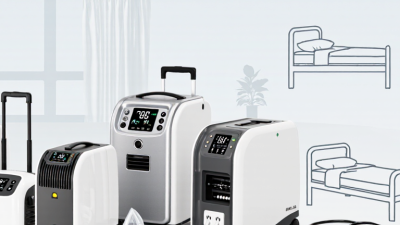
Portability includes more than weight. Check battery duration, recharge time, carry-handle comfort, and noise near a bed. WHO’s oxygen concentrator guidance emphasizes dependable electricity because many units require continuous mains power. Compare wall power, vehicle charging, and battery operation before purchase. A claimed eight-hour battery may last less at higher output. That detail is easy to miss. ISO 80601-2-69 also addresses essential safety and performance requirements for oxygen concentrators, so request documented compliance and maintenance instructions. A common mistake is choosing the smallest machine first, then discovering that its output, alarm system, or power reserve cannot match daily use.
Evaluate Safety Features, Noise Levels, Maintenance, and Durability
How to Choose an Oxygen Concentrator Machine?
Safety deserves careful attention when selecting an oxygen concentrator. Check for oxygen purity indicators, overheating protection, power-failure alarms, and blocked-airflow alerts. The machine should match the prescribed flow rate, not simply produce the highest output. Ask a qualified healthcare professional to confirm the correct setting. A backup oxygen plan is also sensible during electrical interruptions. Small details matter.
Noise levels can affect sleep, conversations, and daily comfort. Listen to the unit in person if possible. A low hum may seem harmless in a showroom, yet become distracting beside a bed. Review the maintenance requirements before purchasing. Filters may need regular cleaning, while tubing and nasal accessories require routine replacement. Follow the manufacturer’s instructions and keep a simple service record. I used to underestimate this step. That was a mistake.
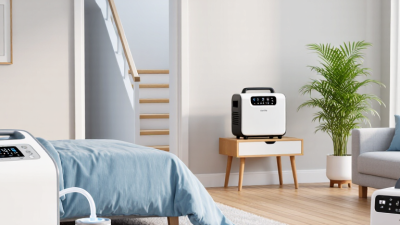
Tips: Place the machine in a dry, well-ventilated area, away from curtains and furniture. Keep air vents clear. Choose a sturdy design with reliable wheels, strong handles, and a durable power cord. Examine the warranty, service access, and availability of replacement parts. A lightweight unit may be convenient, but fragile housing can fail during frequent movement. Also consider whether alarms are easy to hear and understand. Test them with professional guidance. Practical design often matters more than appearance.
Choose a Reliable Model Based on Cost, Warranty, and Support
How to Choose an Oxygen Concentrator Machine?
Choose a Reliable Model Based on Cost, Warranty, and Support
The cheapest oxygen concentrator may become expensive after repeated repairs or filter replacements. I once focused too heavily on the purchase price. That was a mistake. Compare total ownership costs, including electricity, tubing, maintenance, and delivery fees. Check whether the machine matches the prescribed oxygen flow and usage schedule. A respiratory clinician should confirm these requirements before purchase.
Read the warranty carefully, not just the headline period. Does it cover the compressor, sieve beds, power supply, and labor? Ask about exclusions, return conditions, and repair locations. A longer warranty is useful only when service is accessible. Keep records. Save invoices, serial details, and maintenance dates in one folder.
Support quality often reveals a machine’s real value. Contact the supplier before ordering and ask how quickly technical staff respond. Reliable support should explain alarms, cleaning, filter changes, and power interruptions clearly. Ask whether replacement parts remain available after several years. This detail is easy to overlook. It should not be. Check noise levels in a quiet room, especially if the user sleeps nearby. A unit that sounds acceptable in a showroom may feel disruptive overnight. Online reviews can help, but they are not clinical evidence. Use professional guidance and real service information together.