2026 How to Choose the Best Oxygen Machine for Your Needs?
Choosing the right oxygen machine can significantly impact your health and comfort. With the increasing number of options available, the decision can feel overwhelming. According to a report by the Global Oxygen Therapy market, the demand for portable oxygen machines is expected to grow by 10% annually until 2026. This reflects a rising awareness and need for effective oxygen therapy solutions.
Dr. Sarah Thompson, an expert in respiratory therapy, states, “Selecting the right oxygen machine is crucial for enhancing patients' quality of life.” Her insights underline the importance of considering individual needs, as each user's circumstances vary greatly. Factors such as mobility, lifestyle, and specific medical conditions must play a role in your choice.
In addition, many people underestimate the emotional aspect of oxygen usage. It's not just about the device; it's about how it integrates into daily life. The right oxygen machine should empower you, rather than hinder your activities. Many users report challenges in adapting to their machines, leading to dissatisfaction. Understanding these nuances can guide you in making an informed decision that prioritizes both health and comfort.
How to Determine Your Oxygen Needs: A Step-by-Step Guide
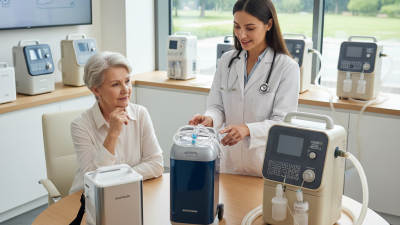
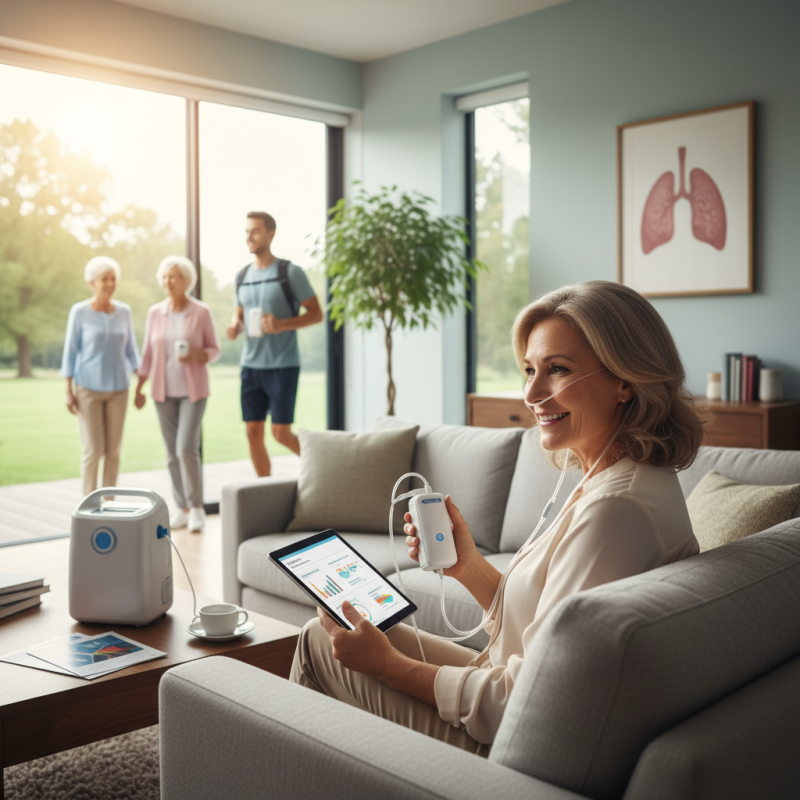
Determining your oxygen needs can feel overwhelming. Start by assessing your lifestyle and health conditions. Speak to a healthcare professional. They can help you understand if you need supplemental oxygen. Sometimes, symptoms may be subtle. A simple breathlessness during activities may indicate a need.
Next, consider the different types of oxygen delivery systems. Portable options offer flexibility and independence. Stationary units provide consistent support at home. Think about where you will use the oxygen machine. Planning is key. Are you active? Do you travel often? Your answers shape your choice.
Keep in mind, adjusting to oxygen therapy is a process. You may not find the perfect fit immediately. It’s critical to monitor how you feel during this transition. Regular follow-ups with your doctor will help. They will guide you if adjustments are necessary. Confidence grows with experience and knowledge. Don’t hesitate to ask questions. Your health is worth the conversation.
Types of Oxygen Machines: Understanding Concentrators, Tanks, and Generators
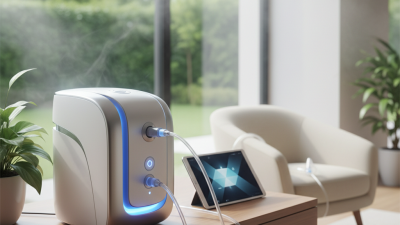
When choosing an oxygen machine, understanding the types available is essential. Oxygen concentrators are popular for home use. They extract oxygen from the air. These devices are compact and lightweight. A recent industry report indicates that the global demand for oxygen concentrators has risen by 30% in the past two years. Many users appreciate their convenience and efficiency.
Tanks, or compressed gas cylinders, provide high concentrations of oxygen. They are portable and offer long-lasting supplies. However, they require careful handling and regular refills. A study by the Journal of Respiratory Care found that 40% of users struggled with tank maintenance. This highlights the need for proper education and support.
Generators, also known as oxygen generators, produce oxygen through chemical processes. While they are less common, they are reliable in remote areas. A drawback is their size and cost, which can be significant. Users often report mixed experiences in terms of ease of use. Understanding these variations can guide your choice of device, ensuring it matches personal health needs and lifestyle preferences.
Key Features to Consider: Flow Rate, Portability, and Battery Life
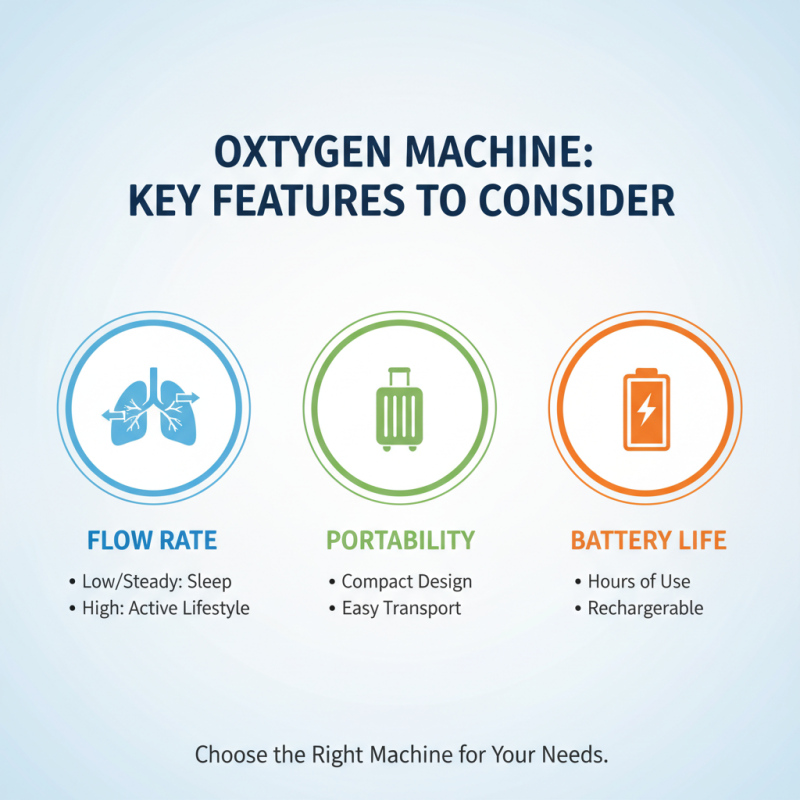
Choosing the right oxygen machine can be daunting. Understanding key features such as flow rate, portability, and battery life is essential. Flow rate determines how much oxygen is delivered. It ranges from low, steady flow for sleep to higher flow for active lifestyles. An adequate flow rate ensures you receive the oxygen needed for your specific condition.
Portability is another crucial factor. Lightweight models make daily activities easier. If you travel frequently, a compact design is vital. Some devices fit in a backpack, while others may be more cumbersome. Consider your daily routine. Will you be moving around a lot? A more portable option could drastically improve your quality of life.
Battery life also affects usability. Look for units that last long enough for your needs. Some may need frequent charging, which can be inconvenient. Imagine being out and running low on battery power. That situation can contribute to anxiety. Evaluate how long you'll be away from a power source. Finding a balance between usage and convenience is key and requires thoughtfulness.
Understanding Your Prescription: Navigating Physicians' Recommendations
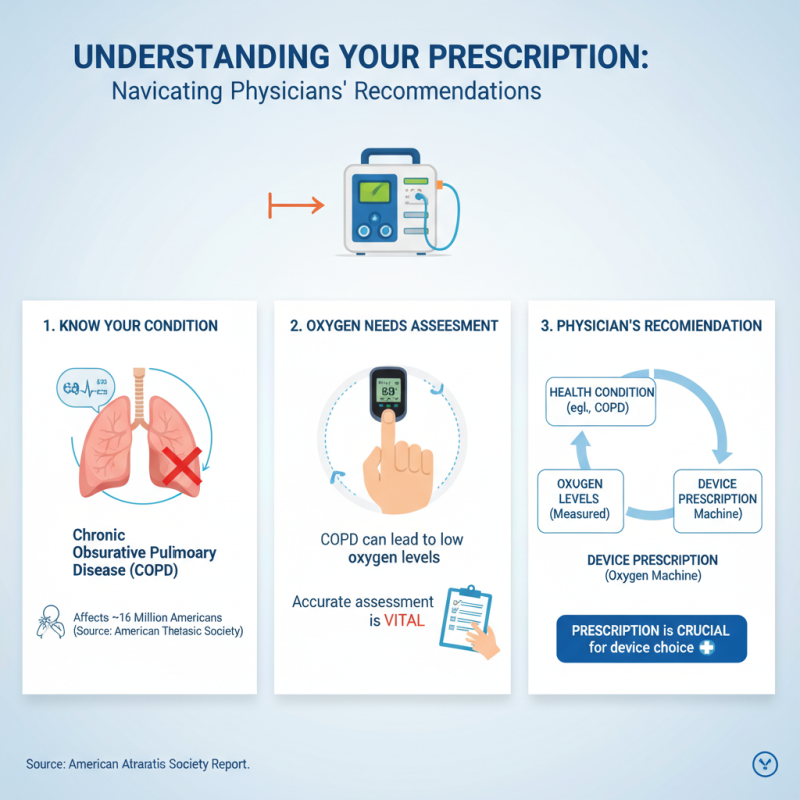
When choosing an oxygen machine, understanding your prescription is crucial. Physicians often recommend devices based on specific health conditions, like Chronic Obstructive Pulmonary Disease (COPD). According to a report from the American Thoracic Society, about 16 million Americans suffer from COPD. This condition can lead to low oxygen levels, making accurate assessments of oxygen needs vital.
Your doctor will evaluate your oxygen saturation levels through a pulse oximeter. They may prescribe supplemental oxygen if levels drop below 88%. Each patient’s requirements vary widely; some may need continuous flow machines, while others could benefit from portable devices. Reports indicate that nearly 70% of patients prefer portable oxygen concentrators due to their convenience and improved mobility.
It’s essential to communicate openly with your healthcare provider. Discuss your lifestyle, activity levels, and any concerns you have. Sometimes, patients may think they need more oxygen than prescribed. This misconception can lead to over-reliance on machines, which isn't ideal. Monitoring your actual needs can reveal gaps in treatment. Emphasizing collaboration with healthcare professionals makes the oxygen therapy journey smoother and more effective.
Cost and Maintenance: Budgeting for Purchase and Ongoing Care
When selecting the right oxygen machine, understanding costs and maintenance is essential. The average price for home oxygen concentrators ranges from $500 to $3,000, depending on features and capabilities. Generally, portable units may be less expensive but require frequent charging. On top of the initial purchase cost, users should also prepare for ongoing maintenance expenses. Regular servicing can cost around $100 annually. Filters and tubing replacements add up.
Consider this: some users underestimate these additional costs. You might spend more if you neglect routine care. A well-maintained machine operates efficiently, reducing overall expenses.
Tips: Always check the user manual for maintenance schedules. Keeping a log of service dates can help you stay organized. Don't ignore the small details; they can lead to larger issues if overlooked. The oxygen therapy market is predicted to grow by 10.2% annually, highlighting the increasing importance of informed purchases in this field. A reliable machine is vital for health, but so is understanding its financial impact.