2026 How to Choose the Best Home Oxygen Concentrator for Your Needs?
Choosing the right Home Oxygen Concentrator is crucial for those who need supplemental oxygen. Dr. Emily Carson, a recognized expert in respiratory therapy, emphasizes, "The best device is one that fits your lifestyle and medical needs." Many options exist, which can make selection overwhelming.
Consider key factors like portability, flow rate, and noise levels. The right Home Oxygen Concentrator should adapt to your daily routine. It should not dominate your space or disrupt your life. Individuals might overlook important details in their rushing.
Real-life experiences can guide you in making a decision. Some users find machines too heavy or noisy. Others struggle with short battery life. Reflecting on personal priorities is essential. In the end, a Home Oxygen Concentrator should enhance your quality of life, not complicate it.
Understanding the Basics of Home Oxygen Concentrators
Home oxygen concentrators are crucial for patients with respiratory conditions. Understanding how they work is key. These devices draw in air, filter out nitrogen, and deliver concentrated oxygen. Studies show that nearly 1.5 million Americans rely on oxygen therapy at home, highlighting the growing need for effective solutions.
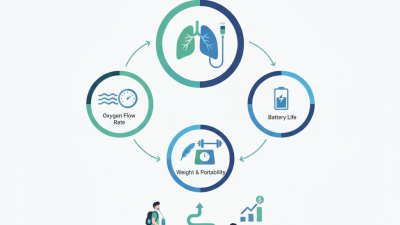
When selecting an oxygen concentrator, consider several important factors. Flow rates vary by model. Most devices provide flow rates from 1 to 5 liters per minute. This range typically suits many users, but some may require higher rates. Noise levels are also a concern. Devices emit sounds between 40 to 60 decibels. A quieter model might greatly improve daily comfort.
Portability matters too. Weighing between 25 to 30 pounds, some devices are less mobile than others. Choosing a unit that’s easy to move makes daily life more manageable. Battery life is another factor. Some units last only 3 hours, while others can run up to 12 hours. It’s helpful to have options that align with your lifestyle needs.
Understanding Oxygen Flow Rates of Home Oxygen Concentrators
This bar chart illustrates the number of home oxygen concentrators available at various oxygen flow rates, ranging from 1 to 5 liters per minute (L/min). When choosing an oxygen concentrator, it is essential to consider the flow rate that best meets your medical needs.
Key Features to Consider When Selecting an Oxygen Concentrator
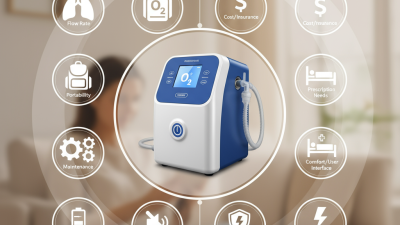
Choosing the right oxygen concentrator can be daunting. Key features play a crucial role. Start with the flow rate. This determines how much oxygen you receive. Most models offer anywhere from 1 to 10 liters per minute. Match it to your prescription.
Consider portability. If you'll travel, lightweight models may suit you best. Some are as small as a backpack, while others are heavier. Battery life is another essential factor. A good model can last several hours. You don’t want to be tethered to a wall outlet.
Tip: Try the concentrator before buying, if possible. This gives you a feel for its weight and noise level. Some machines can be surprisingly loud. Think about maintenance as well. Regular cleaning is necessary for optimal performance. Periodic testing ensures the device works efficiently.
Lastly, don’t forget your comfort. Check for a comfortable nasal cannula or mask. You may find certain types irritating. Your preference matters. Reflect on your daily routine. This will help you choose a concentrator that fits seamlessly into your life.
2026 How to Choose the Best Home Oxygen Concentrator for Your Needs? - Key Features to Consider When Selecting an Oxygen Concentrator
| Feature |
Description |
Importance |
| Oxygen Flow Rate |
The rate at which oxygen is delivered, typically measured in liters per minute (LPM). |
Essential for ensuring that the user receives adequate oxygen supply. |
| Portability |
Weight and ease of transport, including whether it has a wheeled cart. |
Important for those who need to travel or move around frequently. |
| Noise Level |
The amount of noise the concentrator makes during operation. |
Crucial for users who are sensitive to sound or wish to use it in quiet environments. |
| Battery Life |
Duration the device can operate on battery power alone. |
Vital for users who may not have immediate access to power sources. |
| Oxygen Concentration |
Percentage of oxygen delivered, typically between 87% to 95%. |
Essential for ensuring therapeutic effectiveness. |
| User-Friendly Interface |
Ease of controls and readability of display. |
Important for older adults or those with limited technical skills. |
Assessing Your Medical Needs and Oxygen Requirements
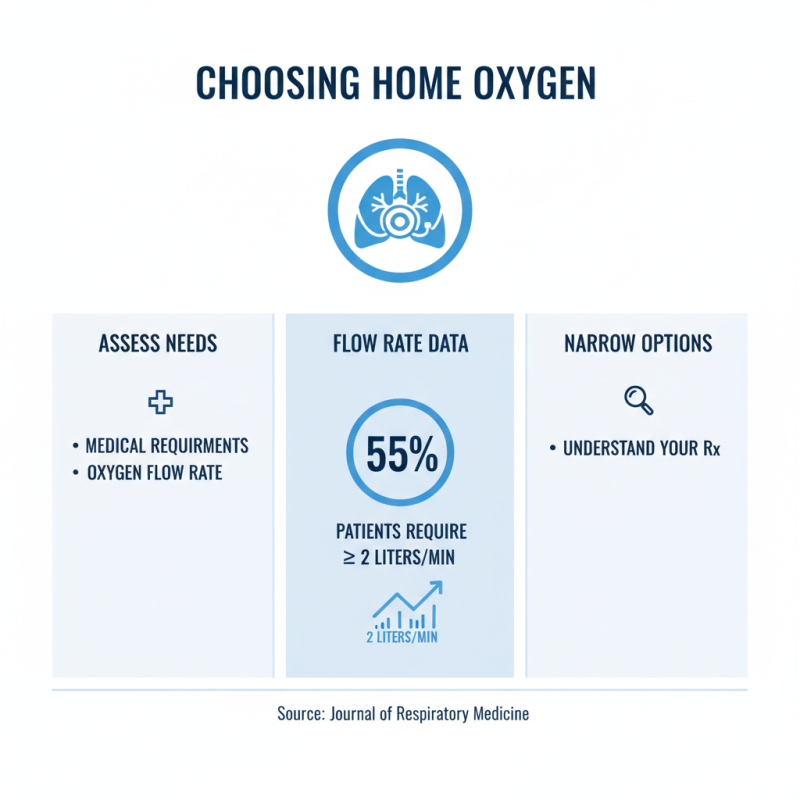
When choosing a home oxygen concentrator, assessing your medical needs is crucial. Not everyone requires the same oxygen flow rate. For example, a study published in the Journal of Respiratory Medicine highlights that about 55% of patients need a flow rate of at least 2 liters per minute. Understanding your specific requirements can help narrow your options.
Next, consider your lifestyle. Active individuals may benefit from portable units. These can weigh as little as 5 pounds and offer flexibility. On the other hand, stationary units might suit those who spend more time at home. However, they often deliver higher oxygen concentrations and may be more affordable.
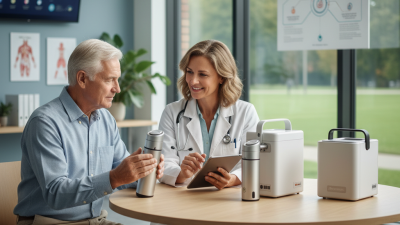
It’s essential to consult healthcare professionals. They can provide valuable insights tailored to your condition. Yet, many patients overlook this step, which can lead to mismatches in oxygen delivery systems. Ultimately, balancing medical advice with your daily needs is vital for your well-being.
Comparing Different Types and Models of Oxygen Concentrators
When considering a home oxygen concentrator, it's vital to compare types and models.
Stationary units are powerful and suited for home use. They often provide continuous oxygen flow.
These models are generally heavier and less portable. Yet, they usually offer higher oxygen output and lower cost over time.
Portable concentrators come in smaller sizes. They are designed for mobility. Users can take them anywhere.
However, they may have a limited oxygen output compared to stationary units.
Battery life is a significant factor. Some portable units last for a shorter time than expected, requiring frequent charging.
Understand your needs before choosing. Do you spend most time at home or on the go?
Check flow settings and noise levels. This detail can influence your comfort.
The right model can be crucial for your lifestyle. Research is essential to make an informed choice.
Tips for Maintenance and Care of Your Home Oxygen Concentrator
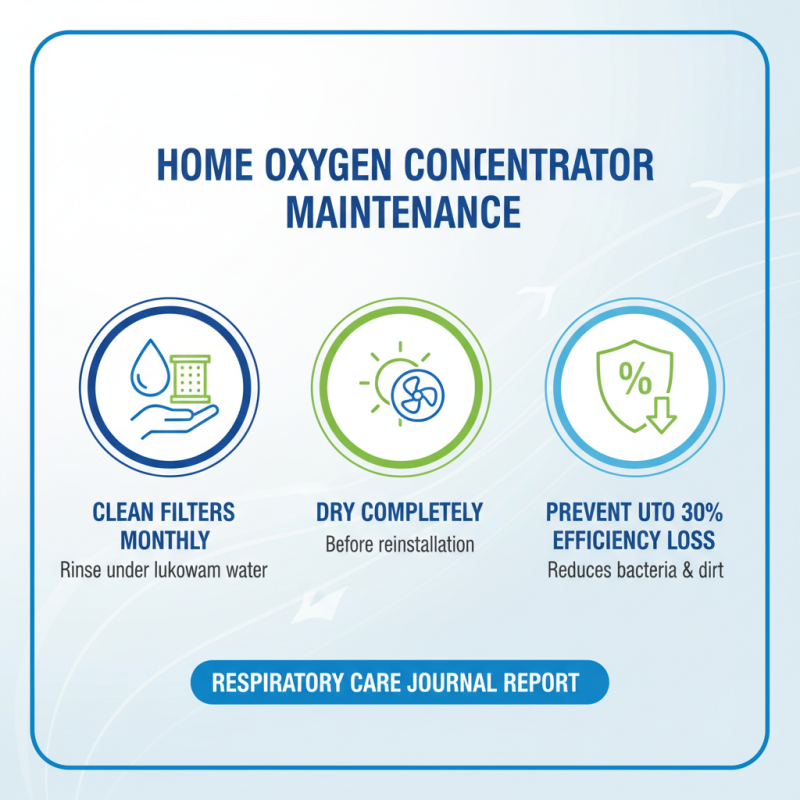
Maintaining your home oxygen concentrator is crucial for its performance. Regular cleaning helps prevent dirt and bacteria from affecting the device. A report from the Respiratory Care Journal shows that improper maintenance can reduce efficiency by up to 30%. Ensure you clean the filters monthly. Rinsing them under lukewarm water can restore airflow. Dry them completely before reinstallation.
Check tubing for blockages or cracks. A damaged tube can impact oxygen flow. If you see kinks or tears, replace it immediately. Routine inspections help maintain consistent oxygen delivery. According to the American Journal of Respiratory and Critical Care Medicine, users are advised to replace tubing every 6 to 12 months, based on usage.
Battery care is another area not to overlook. If your concentrator has a backup battery, charge it regularly. Batteries should be replaced based on the manufacturer’s recommendations, usually every 1-2 years. Neglecting this can leave you without power in emergencies. Ensure you have these habits ingrained, as they directly affect your health and device longevity.