How to Choose the Right Portable O2 Concentrator for Your Needs?
Selecting the right Portable O2 Concentrator can be a daunting task. The growing demand for oxygen therapy has led to an increase in options available. In the U.S. alone, around 1.5 million people rely on oxygen therapy. This number reveals the importance of understanding your specific needs.
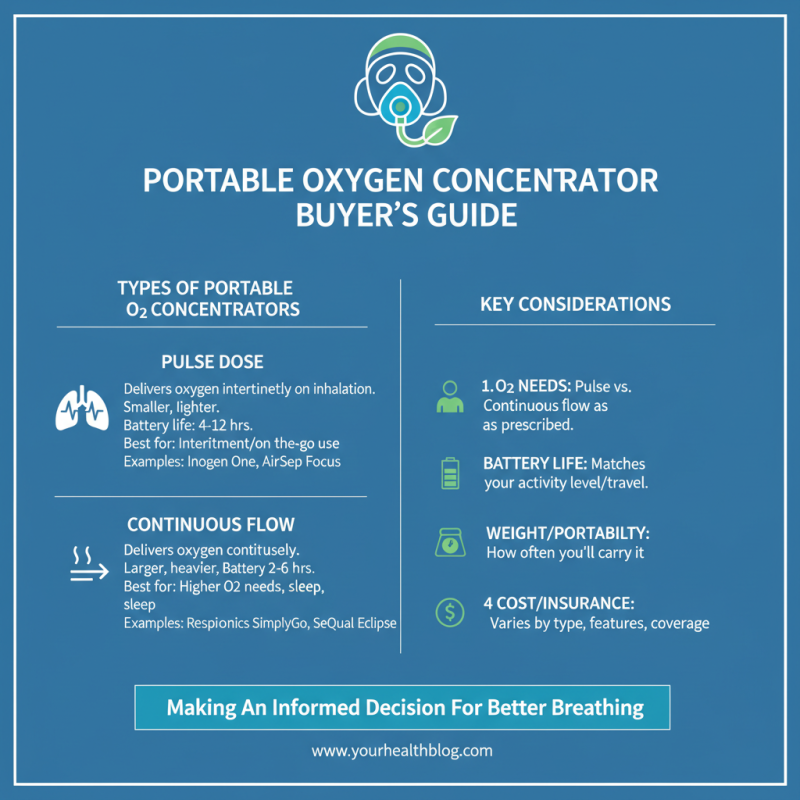
Portable O2 Concentrators vary in features and capabilities. Some models offer continuous flow, while others provide pulse dose options. Many users struggle with finding the ideal balance between portability and oxygen output. Reports indicate that 60% of users feel overwhelmed when choosing a device. This highlights the need for clear guidelines in making informed choices.
When selecting a Portable O2 Concentrator, consider factors like battery life, weight, and flow settings. Each person has unique requirements that can significantly impact their quality of life. It's not only about having oxygen; it’s about having the right oxygen. Understanding these nuances can lead to better personal health outcomes.

Identifying Your Oxygen Needs: A Comprehensive Guide
When considering a portable oxygen concentrator, understanding your oxygen needs is crucial. A report by the Global Oxygen Therapy Market estimates that 1.5 million Americans rely on supplemental oxygen for chronic respiratory conditions. This statistic underscores the importance of identifying specific requirements.
Begin by understanding flow rates. A portable concentrator might offer continuous flow or pulse dose options. Continuous flow is often necessary for those with severe conditions. Meanwhile, pulse dose is ideal for people requiring less oxygen. Many users may feel confused about which flow rate suits them. Assessing daily activities and oxygen levels can help clarify this.
Additionally, portability is another factor to consider. A device that weighs less than five pounds might seem sufficient for travel. Yet, some users report discomfort when carrying their concentrators for extended periods. A balance between a lightweight device and adequate battery life is essential. So, consider the weight, battery duration, and ease of use. Thinking critically about personal circumstances will lead to better decisions when selecting a device tailored to individual oxygen needs.
How to Choose the Right Portable O2 Concentrator for Your Needs?
| Feature |
Description |
Recommended Settings |
| Flow Rate |
The amount of oxygen delivered per minute. Measured in liters per minute (LPM). |
1-3 LPM typically for most home use; higher for serious conditions. |
| Portability |
Weight and size considerations for travel and mobility. |
Under 10 lbs preferable for travel. |
| Battery Life |
Duration the concentrator can run on battery without being plugged in. |
At least 4 hours for day trips; more for longer journeys. |
| Noise Level |
Decibel level of the concentrator during operation. |
Under 40 dB for quiet use; important for night-time use. |
| Oxygen Purity |
Percentage of oxygen output by the concentrator. |
At least 90% purity is required for medical use. |
Key Features to Consider When Choosing an O2 Concentrator
Choosing the right portable oxygen concentrator requires careful consideration of several key features. Battery life is crucial. A longer battery allows for extended use, especially during travel. Look for devices that offer at least 10 hours of operation on a single charge. However, many users frequently find themselves needing to recharge during outings, which can be inconvenient.
Weight and size are also important factors. A lightweight model is easier to transport. Ensure it fits your lifestyle, especially if you are active. Some models can be bulky, making them less practical for daily use. In addition, noise level matters. A quieter device can improve comfort in social situations. Yet, some patients report that they have to adapt to the subtle sounds of their concentrators, which can be a learning curve.
Consider ease of use. Look for simple controls and a lightweight design. Users often appreciate intuitive interfaces, but some still struggle with settings. Lastly, check for additional features like alarms or filters. They can enhance safety but might add to complexity. Each person's needs vary; take time to reflect on what features truly fit your lifestyle.
Evaluating Battery Life and Portability for Your Lifestyle
When choosing a portable oxygen concentrator, evaluating battery life is essential. A long-lasting battery allows you to explore without limits. Many devices offer different battery times, often around 4 to 10 hours. Think about your daily activities. Will you be out for hours or just running errands? This will determine the battery capacity you need.
Portability is another key factor. A lightweight device can enhance mobility. Look for a model that weighs less than 5 pounds. This makes it easy to carry in a bag. Consider how you move around daily. Do you take public transport or enjoy nature walks? A convenient design with easy handles can make a difference.
However, not every portable concentrator meets all needs. Some might have features that sound great but are impractical for your situation. Reflect on what is truly necessary for your lifestyle. Often, the most high-tech option may not be the best for you. Ensure that the device aligns with your daily routines and personal preferences.
Portable O2 Concentrators: Evaluating Battery Life and Portability
Comparing Costs and Insurance Coverage for O2 Solutions
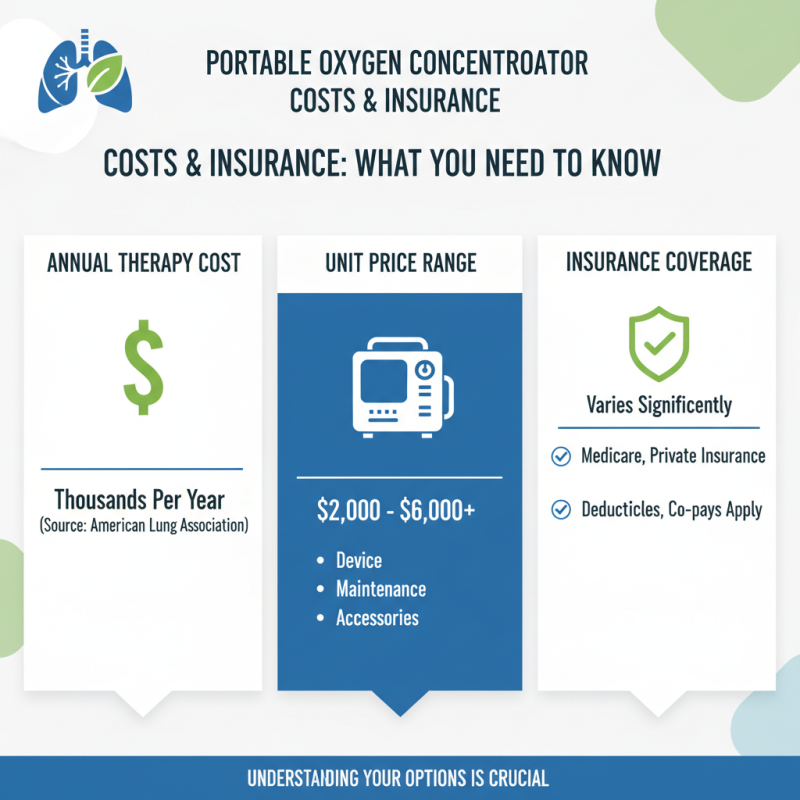
When considering portable oxygen concentrators, understanding costs and insurance coverage is vital. According to the American Lung Association, oxygen therapy can cost thousands per year. The price of portable units varies significantly, often ranging from $2,000 to $6,000. These costs may include the device, maintenance, and accessories.
Insurance coverage poses another challenge. Many plans cover only specific models or types of equipment. Research shows that Medicare typically covers at least 80% of the cost after deductibles are met. However, coverage can depend on medical necessity and proper documentation. A study by the National Home Oxygen Therapy Task Force found that nearly 30% of patients struggle to navigate insurance policies. This can lead to delays in obtaining necessary equipment.
It's important to gather information. Speak with healthcare providers and insurance agents to clarify terms. Some patients report feeling overwhelmed. They often wonder if they are getting the best deal or correct coverage. Keeping thorough records of your needs and interactions can provide clarity. This proactive approach may help alleviate some of the stress associated with financial aspects of oxygen therapy.