10 Best Patient Monitors for Enhanced Healthcare Monitoring?
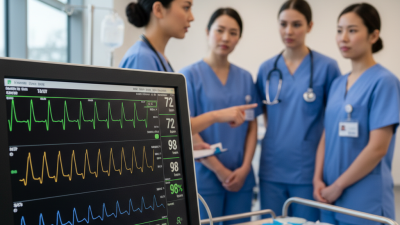
In the fast-paced world of healthcare, a reliable Patient Monitor is crucial. It serves as the lifeline between patients and medical staff. These devices help track vital signs and ensure immediate intervention when necessary. The ability to monitor heart rates, blood pressure, and oxygen levels can be life-saving.
Selecting the right Patient Monitor can be challenging. Different models offer varying features and functionalities. For instance, some have advanced connectivity options, while others focus on user-friendly interfaces. These differences matter when time and accuracy are essential. It’s not just about numbers—accurate readings can alter treatment plans significantly.
Despite advancements, not every Patient Monitor is perfect. Some may struggle in certain clinical environments. Issues like battery life and data accuracy can arise. Healthcare providers must choose wisely to avoid potential pitfalls. This selection process deserves careful consideration, as the right monitor can enhance patient outcomes. Exploring the top patient monitors available today can guide these important decisions.
Overview of Patient Monitors in Healthcare
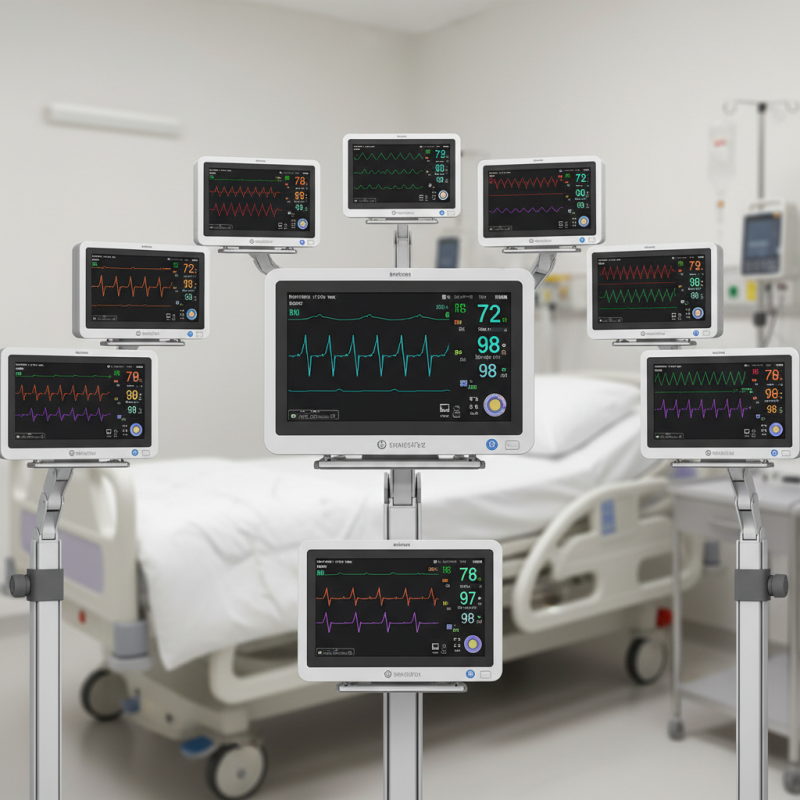
Patient monitors play a crucial role in healthcare. They track vital signs in real-time. These devices measure heart rate, blood pressure, and oxygen levels. Continuous monitoring can prevent complications in critical situations. However, they also require careful handling. Technical glitches can lead to incorrect readings. Staff must be trained well.
Beyond basic measurements, advanced features exist. Some monitors offer trend analysis. They allow healthcare providers to observe changes over time. Alerts can notify physicians of sudden changes. Yet, relying solely on technology isn't enough. Human oversight remains vital. Interpretation of data requires clinical judgment.
In busy healthcare environments, equipment can sometimes malfunction. Regular maintenance and calibration are necessary. There's also the challenge of overwhelming data. Too much information can confuse staff. Monitoring systems need to be user-friendly. Balancing technology with human expertise is essential for effective care delivery.
Key Features to Consider When Choosing a Patient Monitor
When choosing a patient monitor, focus on essential features. Start with display quality. Clear, high-resolution screens help caregivers quickly assess patient data. A bright display reduces eye strain, especially in low-light conditions. Moreover, touch screens are often more intuitive, allowing for faster interactions.
Consider the connectivity options. Monitors with Wi-Fi and Bluetooth provide flexibility. They allow remote monitoring, which enhances care efficiency. However, wireless connections can sometimes be unreliable. Ensure that backup systems are in place to avoid data loss.
Battery life is another critical factor. Monitors should have long-lasting batteries for mobility. Frequent recharging reduces effectiveness in critical situations. A portable design means easier patient transfers. Review the ease of use too. Complicated interfaces can slow down response in emergencies. Always prioritize user-friendly designs to facilitate quick decisions.
Top 10 Patient Monitors for Enhanced Healthcare Monitoring
Selecting the right patient monitor is crucial for healthcare providers. These devices track vital signs and improve patient care. They help detect early signs of distress. The market offers various options. Understanding features is essential for informed choices.
When evaluating patient monitors, consider interoperability. This helps in integrating different devices seamlessly. Check the display clarity too. A bright, clear screen is vital for quick readings. Portability is another key feature. A lightweight design makes transport easier within hospitals.
Tips: Ensure device maintenance is a priority. Regular calibrations can improve accuracy. Also, involve staff in the process. They often have valuable insights. Gather feedback after using different models. This aids in refining choices further and addressing any shortcomings.
10 Best Patient Monitors for Enhanced Healthcare Monitoring
Comparative Analysis of Leading Patient Monitors
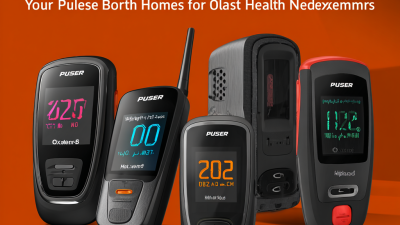
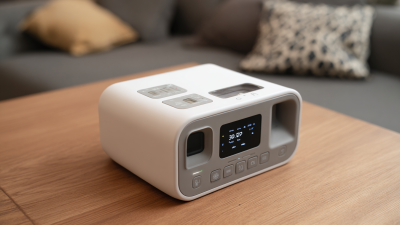
In today's healthcare landscape, patient monitors are vital for effective monitoring. They track vital signs like heart rate, blood pressure, and oxygen levels. Each monitor has unique features that cater to specific patient needs. The devices vary in size, functionality, and accuracy. Some are portable, allowing mobility for patients. Others are stationary, suited for intensive care units.
Comparing these monitors reveals discrepancies in performance. Some may excel in real-time data transmission. Others fall short, causing delays in alerting medical staff. The design can also impact usability. A user-friendly interface is essential for swift decision-making. However, some devices present challenges, requiring extensive training for staff.
The data management system plays a crucial role. Certain monitors integrate seamlessly with electronic health records. Others struggle with compatibility. Quality of display is another variable. Bright and clear screens enhance readability. Dimming displays in dim light can become frustrating. These aspects can significantly affect patient care. Ultimately, healthcare organizations must reflect on their needs and choose accordingly.
Future Trends in Patient Monitoring Technology
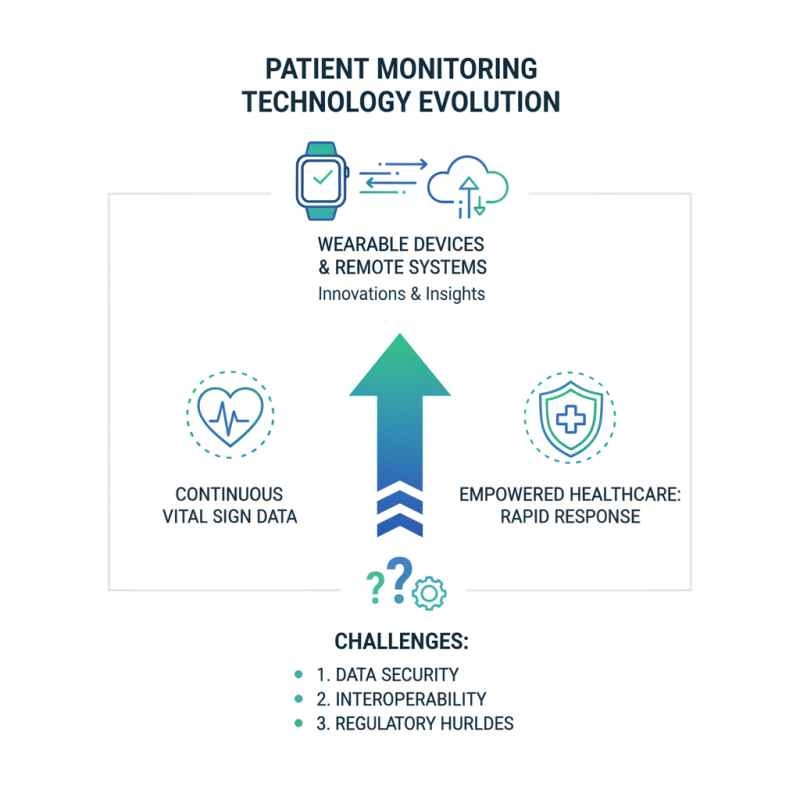
The landscape of patient monitoring technology is rapidly evolving. In recent years, innovations such as wearable devices and remote monitoring systems have gained traction. These advancements provide continuous data on vital signs. They empower healthcare professionals to respond quickly to patient needs. However, as technology advances, several challenges arise that need consideration.
Data privacy is a major concern. Patients often worry about who has access to their information. Ensuring secure data transmission remains a critical issue. Additionally, integrating new technologies into existing healthcare systems can be problematic. Training staff to use new devices effectively takes time and resources. Some teams may hesitate to adopt new methods.
Future trends focus on enhancing patient experiences. More intuitive interfaces can decrease training time for medical personnel. Incorporating artificial intelligence could improve data analysis. This would allow for quicker, more accurate diagnoses. Challenges remain to be addressed, but the potential for improved healthcare is significant. As we move forward, it’s essential to balance innovation with practical implementation.