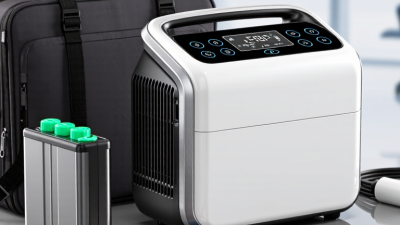
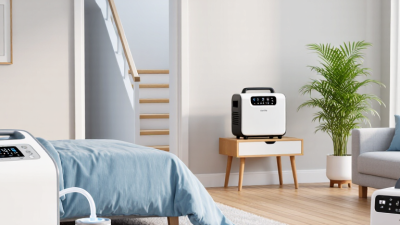
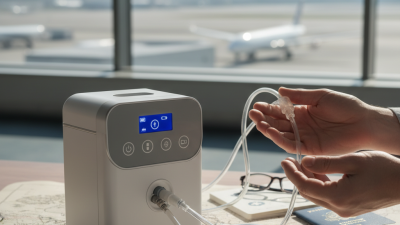
7 Best Continuous Flow Portable Oxygen Concentrators
Choosing a portable oxygen device is rarely about size alone. It is about dependable therapy during stairs, travel, sleep, and unexpected delays. A Continuous Flow Portable Oxygen Concentrator delivers oxygen at a steady rate, unlike pulse-dose models that respond to detected breaths. That difference matters for some patients, especially those requiring continuous support. However, suitability must be confirmed by a qualified clinician.
Industry data supports growing interest in home respiratory care. Grand View Research identifies rising chronic respiratory disease and home healthcare adoption as major oxygen concentrator market drivers. MarketsandMarkets also reports continued demand for lightweight, battery-powered oxygen systems. These trends explain why manufacturers now emphasize quieter motors, longer battery life, and improved alarm systems. Still, marketing claims can sound better than real-world performance.
This guide reviews seven leading continuous-flow portable oxygen concentrators using practical and clinical criteria. We examine oxygen output, device weight, battery endurance, charging options, noise, maintenance, warranty coverage, and user feedback. A few grams can matter after an hour outdoors. Battery ratings may also change with flow settings, temperature, and age. That detail is easy to overlook.
The U.S. Food and Drug Administration emphasizes using oxygen equipment according to its cleared intended purpose. The American Thoracic Society also stresses individualized oxygen assessment and proper prescription settings. Therefore, this list is a research tool, not medical advice. The “best” device may be the one that fits a patient’s prescription, routine, and emergency plan. No ranking is perfect. Real-life testing remains essential.
What Continuous-Flow Portable Oxygen Concentrators Are
Continuous-flow portable oxygen concentrators deliver a steady oxygen stream measured in liters per minute. Unlike pulse-dose devices, they do not wait for an inhalation trigger. This design can support users who breathe shallowly, sleep with an open mouth, or need oxygen during exercise. The prescribed flow rate remains important. A setting of 2 L/min continuous flow is not equivalent to a pulse-dose setting of 2.
The American Thoracic Society’s 2020 clinical practice guideline conditionally recommends portable liquid oxygen for patients needing more than 3 L/min during exertion. The recommendation reflects low-certainty evidence, not a universal rule. It also shows why a device’s maximum flow can matter more than its advertised battery life. Higher continuous-flow settings usually increase power consumption, heat, noise, and carrying weight. Small compromises become obvious beside a bed or on a short walk.
Clinical fitting should include rest, movement, and sleep-related needs. Oxygen saturation should be checked with prescribed equipment, preferably under professional supervision. The FDA and ISO 80601-2-69 framework emphasize performance testing, including oxygen concentration and alarm functions, but laboratory results cannot predict every home situation. Tubing may kink. Batteries may age. A concentrator can appear portable while remaining uncomfortable after several hours. I would also question any claim that promises identical oxygen delivery across every user, altitude, breathing pattern, and flow setting.
Seven Portable Oxygen Concentrators Worth Considering
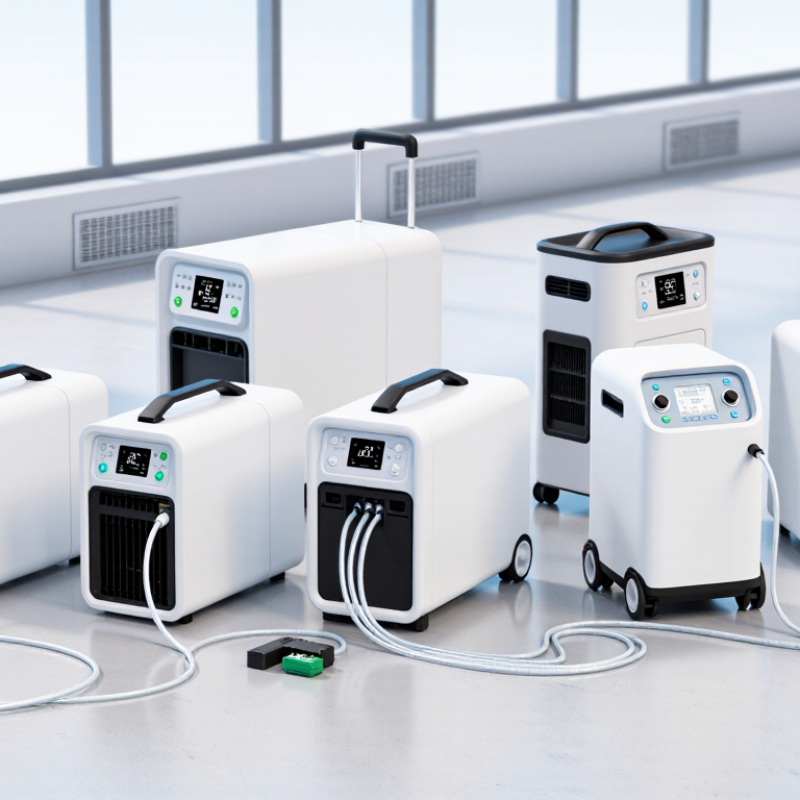
Seven portable oxygen concentrators are worth considering when continuous flow matters more than compact size. A lightweight unit may suit short trips and indoor movement. A higher-capacity model can better support longer daytime use. A dual-battery design reduces charging anxiety during travel. A vehicle-compatible unit helps during road appointments. A quieter concentrator may improve sleep and conversation. A rugged design can tolerate frequent handling. A model with clear alarms supports safer daily monitoring.
Check the prescribed flow range carefully. Continuous flow delivers oxygen at a steady rate, unlike pulse-dose delivery. The device must match your clinician’s prescription, including nighttime requirements. Battery duration should be tested at the exact setting you use. Advertised runtime may change with altitude, temperature, battery age, and filter condition.
Small details matter. Review oxygen purity specifications, alarm functions, warranty terms, and replacement costs before purchasing.
Hands-on testing is valuable.
Carry the concentrator through a hallway, lift it into a car, and listen beside it. Some units feel manageable in a showroom but tiring after several hours.
I would not judge portability by weight alone; wheels, handles, and battery placement also matter. One weakness in any shortlist is that comfort remains personal.
Ask a respiratory professional to verify suitability, and never adjust the prescribed flow independently.
Key Features for Comparing Oxygen Concentrators
Choosing among the 7 best continuous flow portable oxygen concentrators requires more than checking oxygen output. Continuous flow is measured in liters per minute, while pulse-dose settings use different delivery calculations. The WHO-UNICEF Technical Specifications for Oxygen Therapy Devices emphasizes stable oxygen concentration, alarm performance, and safe operation under changing conditions. Check the stated flow at maximum altitude, not only at sea level. Small details matter.
Battery performance deserves close attention. Compare operating time at the prescribed flow, recharge time, and battery replacement cost. A 2024 report from the International Energy Agency notes that battery capacity can decline significantly with temperature and repeated cycling. Cold mornings may shorten a planned walk. Test the unit while carrying it, using its actual battery and accessories. A lighter concentrator can still feel awkward on stairs.
Noise, maintenance, and service support affect daily comfort. The American Thoracic Society recommends ambulatory oxygen for selected patients with severe exertional hypoxemia, but the device must match the prescription and activity pattern. Look for oxygen purity alerts, blocked-intake warnings, washable filters, and clear user controls. ISO 80601-2-69 provides safety and performance requirements for oxygen concentrators. Yet laboratory compliance cannot predict every home experience. A quiet machine may still sound intrusive beside a bed. Ask a clinician to verify flow needs, and reconsider any device that offers impressive numbers without transparent testing conditions.
7 Best Continuous Flow Portable Oxygen Concentrators — Key Features for Comparison
Continuous-flow portable oxygen concentrators are commonly compared by their available oxygen-flow settings. The chart below shows seven practical flow levels used when assessing suitability for rest, sleep, mobility, or higher oxygen requirements. Actual availability varies by device and prescription.
How to read the chart: Higher continuous-flow capacity may support greater oxygen requirements, but it can also increase power consumption, size, and weight. Always match the prescribed flow rate and confirm nighttime suitability with a qualified clinician.